

Bunk Beds For Kids' Rooms
Bunk beds for kids' rooms are both practical and fun and are available in a variety of styles, finishes and configurations. They're also great for saving space, as they offer additional storage options like drawers and shelves.
Bunk beds for children require a ladder or stairs to access the top level, so it's important to teach children how to use these products correctly. This will help them develop a sense of responsibility and self-control.
Maximizing floor space
Bunk beds are a great solution to share a bedroom with two children or to maximize the space. They can be used to accommodate adults and children in one room, and also create a sense unity. Available in a variety styles and finishes. Many models have built-in storage to keep books, toys, and clothes organized.
For families with more than one child, an over-full bunk bed is a popular choice. You can also choose a staggered layout that can sleep three in the vertical stack, ideal for rooms with tighter spaces. A lot of bunk beds have an elegantly integrated ladder within their frame. This means that there is no need for large staircases and frees up space for other bedroom furniture.
If you have a child who loves to read or study and read, you could consider bunk beds with desks. This incredibly flexible combination of work and sleeping areas is ideal for smaller bedrooms and allows children to establish healthy and balanced habits through the development of a dedicated study area that balances work and entertaining activities.
It is crucial to take accurate measurements of your bedroom when choosing the ideal bunk bed that includes a desk. This will ensure that the bed will fit in the layout of your home. The age and height of your children must be considered in order to determine the most suitable bunk bed to meet their requirements.
Furthermore adding cleverly designed storage solutions for your child's bunk beds can make them more functional. They can be as simple as drawers under the bottom bunk, or shelves that are placed on the sides of the structure which provide a convenient place to keep the essentials such as toys and books within reach for children as well as adults. It also encourages good organization practices by making sure that children put away their own belongings after using them and respect the shared space which reduces the risk of accidents resulting from falling over objects or getting caught on fire from dangling cords. You can also choose a bunk bed that has a desk that is positioned on the side. This saves space, and lets your children write their assignments or do their homework comfortably from any angle.
Encouraging good sleep habits
A bunk bed can help promote healthy sleep habits by encouraging kids to go to bed at the same time every day. This can improve the quality of their sleep and help them feel more alert throughout the day. A bunk bed is also an excellent option for families with small floor space. It lets each child have their designated sleeping area and frees up the floor for play or study. Bunk beds can be a great choice for rooms shared by siblings, as they foster the bonding, independence and creativity of children.
The most basic bunk set is comprised of two twin beds that are stacked on top of each other. This arrangement is ideal for children sharing bedrooms and can create an impressive focal point in any room. Bunk beds can be customised with a variety of designs and themes, making them perfect for children of all different ages. A sports-themed bunk bed is perfect for children who love baseball, football and soccer. A fairytale themed bunk is ideal for little princesses. There are bunks that have built-in desks, which offer an ideal space for children to work on their homework or work.
In addition to preserving floor space, bunks can help promote good sleep habits by promoting a regular sleep schedule and offering a comfortable place for children to sleep to at night. In addition, bunks can bring a sense of adventure and excitement about getting to sleep, which can make bedtime more enjoyable for children.
Bunk beds can also help with social development by allowing children to interact with their peers or siblings while maintaining their privacy. Friends and siblings who share loft or bunk beds often share stories, secrets, or just talking before they go to bed. This can encourage positive interactions between siblings and friends as well as create lasting memories.
childrens bunk bed with desk underneath to remember that bunk beds pose a risk for children if they're not set up and monitored properly. It is crucial to evaluate the mental and physical capabilities of children prior to giving them the right to climb on the top bunk. Children must be able to climb the ladder, and possess the coordination and dexterity needed to be able to sleep comfortably on the top bunk.
Encouraging creativity
Bunk beds are fun for kids and their unique design is ideal for igniting the imagination. Children transform their bunk beds into fortresses or castles. The thrill of climbing to the top of the bunk can help them associate sleeping with an element of adventure. This is particularly beneficial for younger kids who may struggle to establish a positive association with bedtime. In addition bunk beds are ideal for accommodating sleepovers.
When designing a room for a child that has bunk beds, it's crucial to select the appropriate color scheme. Selecting a neutral gender or one that matches the personality of your child will let you plan the rest of the room around it, creating an area that they will love spending time. For instance, Sarah Samuel's Michigan family made use of bunks and a built-in desk to create a theme of circus for their 4-year-old son's bedroom. The top bunk was designed to feel like a fortress by using the green walls and animals while the bottom bunk was turned into a playroom that was adorned with golden velvet curtains and an tiger rug.
Installing a desk with a chair under the lower bunk is another method to encourage creative thinking. This allows children to concentrate without disrupting each other and can help them develop a healthy mindset that promotes learning. This flexibility is particularly beneficial when sharing an area with siblings, since it allows for a seamless transition between play and homework.
When designing a space for children who have bunk beds, it is important to incorporate storage. The addition of low shelves and labels on containers encourages children to take responsibility for their belongings, and keep their personal space clean and organized. It also teaches them to respect shared spaces and can help prevent the formation of clutter.
Themed decor is an excellent way to stimulate imagination and provide your children with an experience that is more immersive. The themed decorations can aid them in taking charge of their bed and encourage a sense of independence and responsibility. To encourage imaginative play, a truck-shaped bed can be decorated using toy trucks and road sign.
Encourage active play
Bunk beds with ladders or stairs to climb up and down are ideal for encouraging active play for children. Bunk beds provide children with an area in the room for exploring and playing. They can use the loft to keep an eye on their siblings or climb up to the top to play a game. They also aid in the development of spatial awareness and problem-solving skills as they learn to climb over and under, as well as between furniture pieces and other decorations.
Sharing bunk beds can help siblings or roommates connect and enhance their social skills, as they engage in activities like contesting who gets the top bunk or co-ordinating bedtime routines. These social interactions help foster cooperation, empathy and the ability to navigate interpersonal relationships, which are essential life skills for adults and children alike.
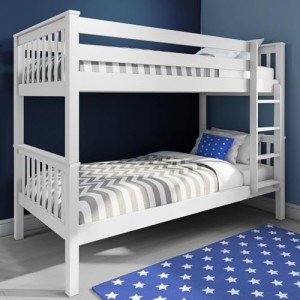
The lofty design of bunk beds is conducive to imaginative play, as the lofted top can transform into a fortress on the mountain or pirate ship, or cozy reading area. The sense of adventure bunk beds evoke can make bedtime more exciting to kids, and can make them want to play long after the lights have gone out.
When choosing bunk beds for your child's room you should consider safety first. Make sure to choose the right bunk bed appropriate for your child's age, size and growth plans and comes with security features like ladders, guardrails and strong, sturdy frames. It's also a good idea to set clear rules regarding the behavior of children and other children around bunk beds, like no jumping or rough play to limit the chance of injuries.
Many bunk bed designs include additional storage options, such as shelves or drawers under the loft. This can help keep the space neat and tidy. There are also bunk beds with an integrated study desk for children who want a quiet space to do their homework. Consider adding bean bag chairs and window treatments in vibrant prints and colors to create a colorful and enjoyable appearance.